At what age is a dog considered a senior? How can an attentive dog parent spot signs of aging, and what special care needs does your aging dog have? Our Pflugerville vets answer these questions in today's post.
How old is a senior dog?
You probably know that people often say one human year is equal to seven dog years. Estimating the age of a dog is a bit more complex, though. Different dog breeds age at varying rates.
Generally, smaller dogs will not age as quickly as large breed dogs. This is a general guide:
Small breeds are considered senior dogs when they turn 10 to 12 years old.
Medium breeds are considered senior dogs when they hit 8 to 9 years old.
Large and giant breeds are considered senior dogs at around 6 to 7 years old.
Signs That Your Dog is Getting Old
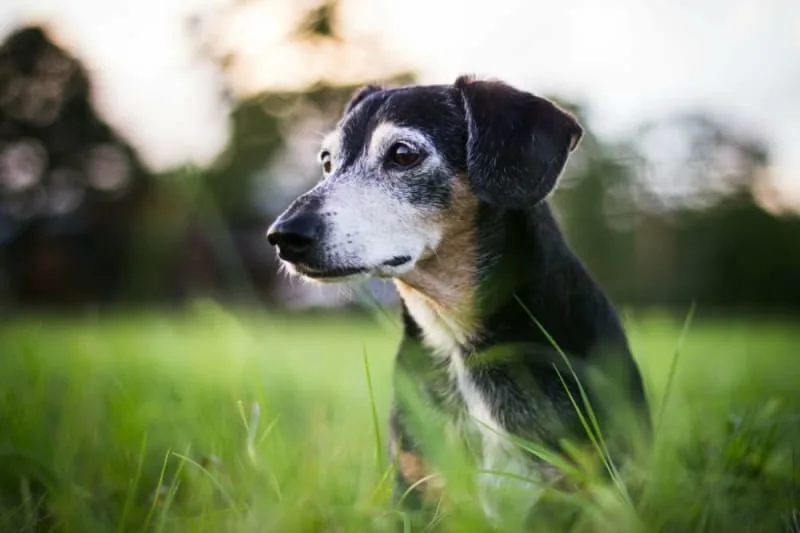
Your dog will experience mental and physical changes as they get older. Some changes in your dog's appearance are a normal part of the aging process, like the development of grey hair around their muzzle. These changes typically don't require any specific veterinary care. However, there are other changes that may require your vet's attention to ensure your dog's health and comfort are maintained to the best of their ability.
Keep an eye out for these indicators that your furry companion is entering their golden years:
Gum disease or tooth loss
Arthritis or joint issues
Reduced heart, kidney and liver function
White hairs on the face and muzzle
Vision and/or hearing loss
Weight gain or loss
Reduction of mental acuity
Sleeping or more difficulty sleeping
Loss of muscle tone
Your Senior Dog's Care Requirements
There are several things you can do to help your pup maintain their comfort and well-being as they get older.
Vet Care
The first step to caring for a senior pup is to prioritize regular vet visits. By taking your senior dog for routine wellness exams, you're allowing your vet to screen for any emerging geriatric conditions and begin treatment as soon as possible. Your veterinarian will assess your senior dog's nutrition levels and mobility and provide recommendations for any adjustments that would benefit your dog such as exercise or diet changes.
Nutrition
A good diet not only provides physical benefits, but it may also support your dog's cognitive function as they grow older. Similar to humans, dogs can experience dementia or conditions similar to Alzheimer's. Feeding your dog a diet rich in omega-3 fatty acids, combined with regular exercise, can contribute to their mental alertness.
Senior dogs can benefit from a variety of prescription diets and supplements that specifically address the health conditions they may face. Consult your veterinarian to inquire about any recommended diet or supplement for your furry friend.
As your dog gets older, their nutritional needs may undergo some changes. Senior dogs tend to gain weight as they become less active and exercise less. Other health issues, such as joint pain and cardiovascular conditions, can be caused by excess weight gain. Discuss with your vet the possibility of modifying your dog's daily calorie intake or transitioning to a weight loss-focused diet.
Exercise - Physical & Mental
Senior dogs should receive mental stimulation in addition to regular physical exercise. You can always teach your pup a new trick or bring home a new puzzle. Problem-solving activities for dogs offer a wide range of options, like a puzzle chew toy that motivates dogs to exercise their minds in order to earn a treat.
It's crucial for your dog to maintain a consistent routine of physical activity as they get older. Dogs can maintain a healthy weight and keep their joints healthy by engaging in regular exercise. However, you might need to modify the exercises you offer your puppy. For instance, if you observe that your dog is struggling with the long walks they used to enjoy, consider taking them for shorter, more frequent walks.
Note: The advice provided in this post is intended for informational purposes and does not constitute medical advice regarding pets. Please make an appointment with your vet for an accurate diagnosis of your pet's condition.
Is it time for your senior dog's wellness exam? Contact our Pflugerville vets to book an appointment today.